An organic community conversation on reducing the burden of organic certification
On November 17, over 200 organic community members joined us for a National Organic Convening focused on reducing the burden of organic certification.
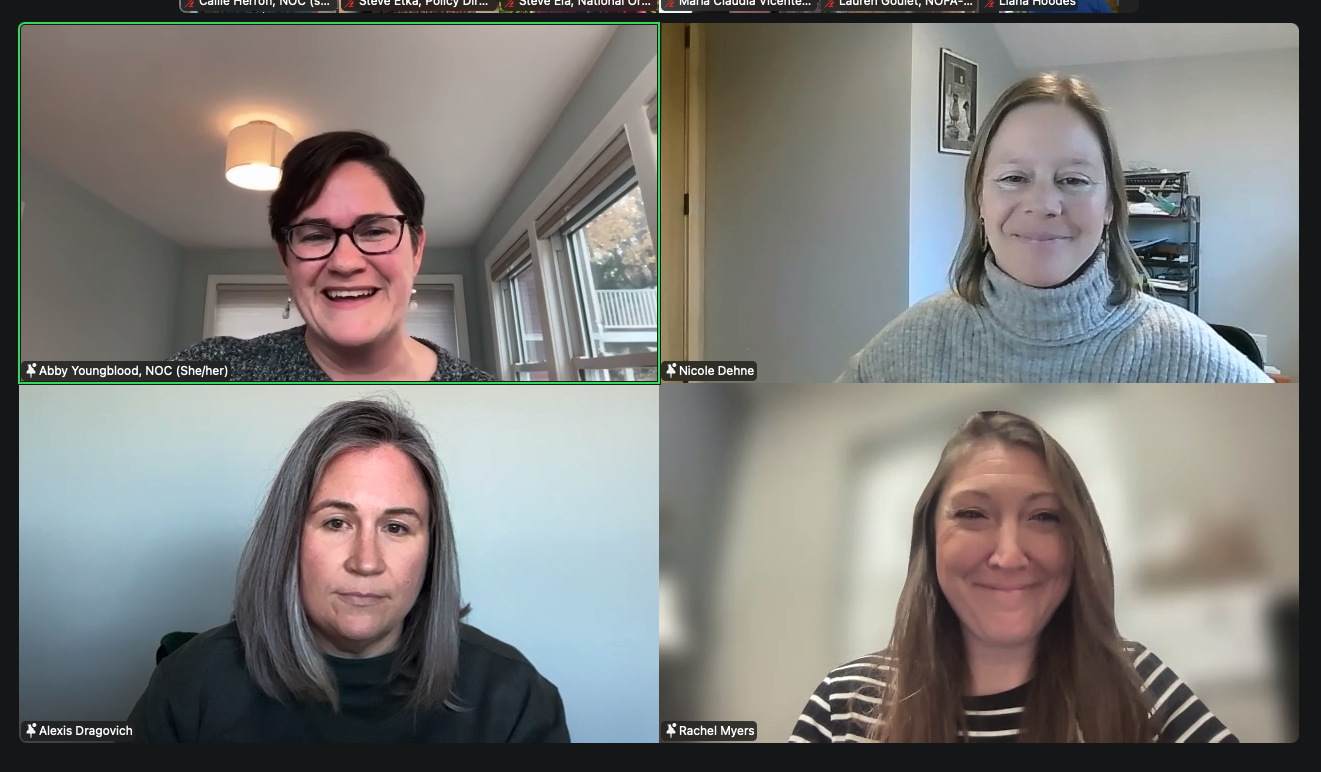
The event kicked off with a panel featuring certifier, farmer, and inspector voices. Here are some key takeaways:
Balance efficiency with integrity through risk-based approaches. Reducing burden means doing the right work in the right places—tailoring inspections to farm scale and risk level, focusing on areas that actually impact organic integrity rather than spending 6-8 hours annually at low-risk operations that have been compliant for years.
Invest in people and training. Better training and matching of qualified inspectors to appropriate operations improves certification quality while reducing costs. Inspectors with agricultural backgrounds can provide both verification and clarification to farmers about what organic regulations require.
Design systems to support farmers, not just catch fraud. Certification should support farmers' ability to implement organic practices, recognizing that they voluntarily seek certification and genuinely want to comply. Treat farmers as partners in the process, not adversaries.
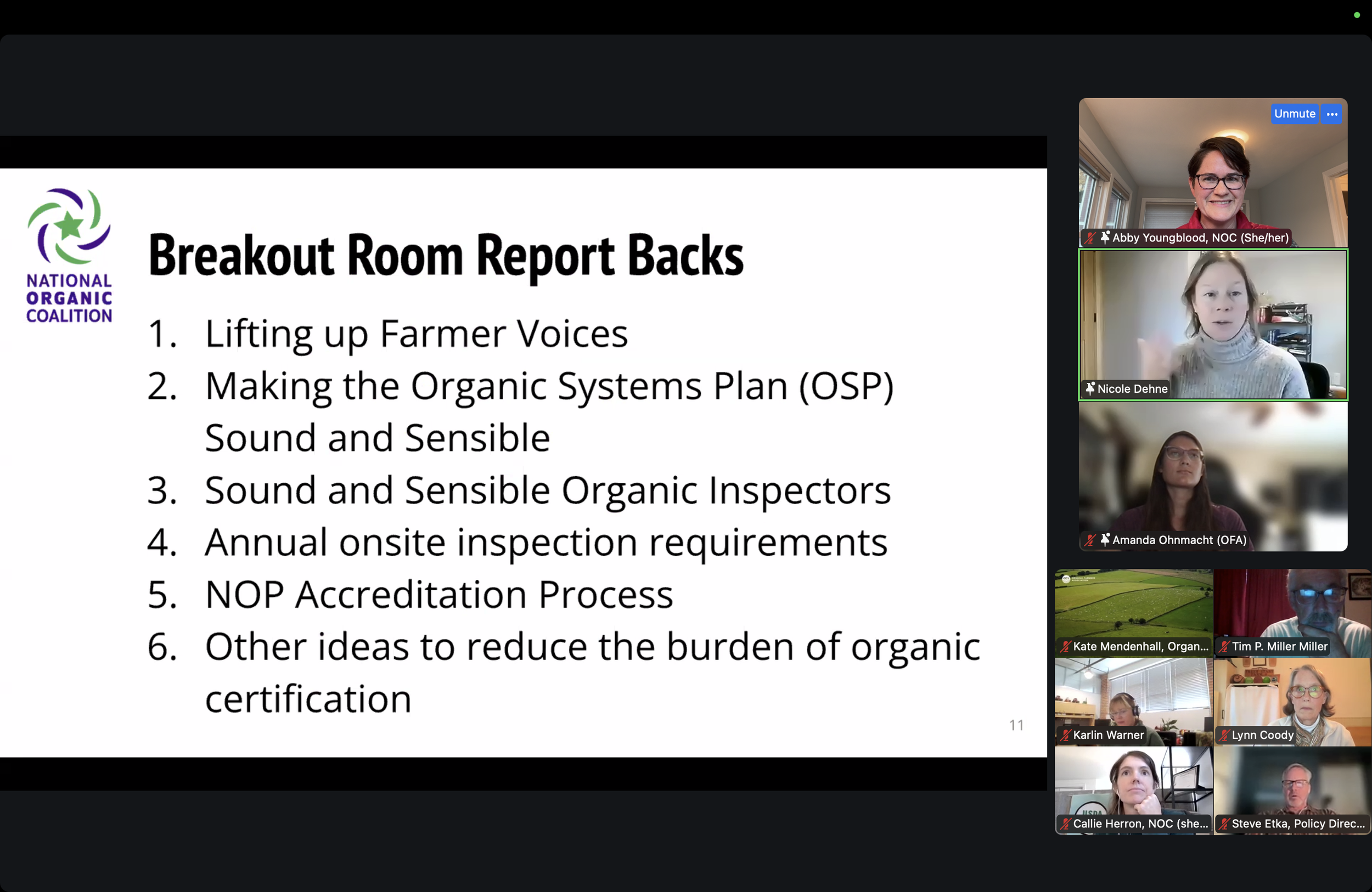
The conversation continued as attendees participated in one of six breakout rooms. Needs that emerged included:
Establish effective feedback loops and communication channels throughout the process. Certification agencies need an avenue to hear and address concerns farmers raise at inspections. There are also opportunities for better communication channels between NOP and certifiers to discuss audit results, provide feedback, and receive technical assistance.
Cultivate less fear and more connection. Operations and certifiers should feel empowered to question a noncompliance that goes beyond the requirements without being concerned their certification or accreditation is at risk. Mentorship, hands-on experience, and trust are crucial to developing a workforce that can effectively take a risk-based approach and reduce the burden of certification.
Reimagine within the framework. Yes, there is a need to standardize and simplify OSPs, but perhaps that’s through a critical eye and not a common OSP. Yes, there is a need for flexibility related to the annual onsite inspection requirement, but maybe that looks like reenvisioning how we’ve always done it without requiring a change in the Organic Foods Production Act.
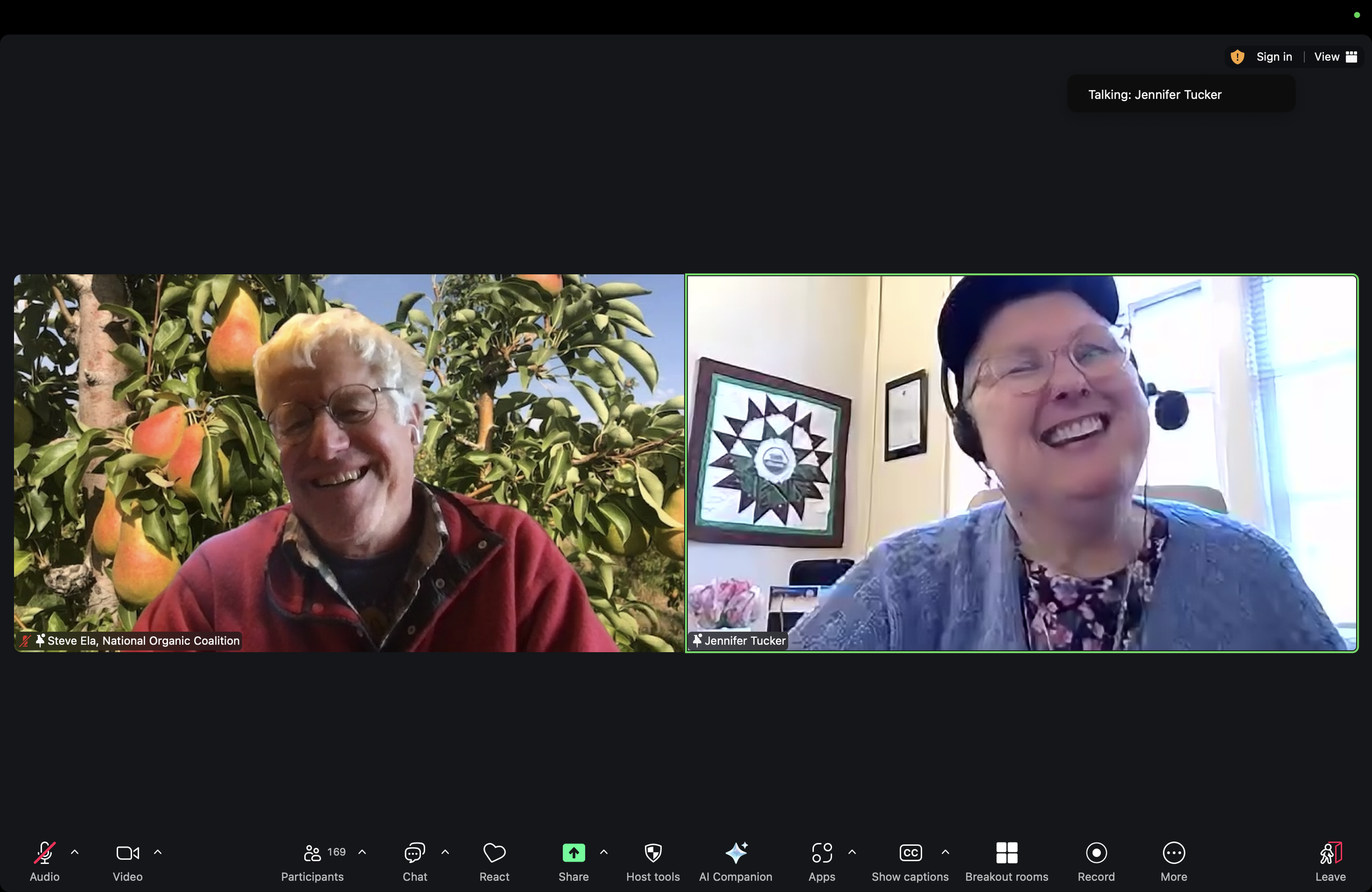
The convening also included a Q&A session with Dr. Jenny Tucker who leads the National Organic Program (NOP) at USDA. During the Q&A session, Dr. Tucker shared some of NOP’s top priorities coming back from the government shutdown, which include reconsidering audits that were cancelled, prioritizing organic integrity database needs, and reviewing any import oversight flags that came in. She also shared that the NOP is exploring options for some kind of virtual National Organic Standards Board (NOSB) meeting in place of the meeting that was cancelled.
THANK YOU
The National Organic Convening would not have been possible without the support of the event co-sponsors, Organic Farmers Association, OneCert, OCIA International; our numerous colleagues who offered their time to facilitate, take notes, and participate on the panel; Dr. Jenny Tucker who joined in the midst of the government reopening, and all of YOU, the attendees who contributed to the conversation and are going to help move this work forward.
NOC’s next steps include:
Sharing takeaways with the broader organic community so we can cultivate change in our spheres of influence.
Sharing ideas that emerged with the USDA National Organic Program.
Continuing to urge USDA to reschedule the National Organic Standards Board meeting that was canceled this fall due to the shutdown in a virtual space.
Continuing to convene the organic community to discuss and develop plans to address challenging issues.
Subscribe to our email list to stay updated on events, like our January event that will focus on why we are losing organic operations.
See the resources page for more information on Part II of the National Organic Convening.
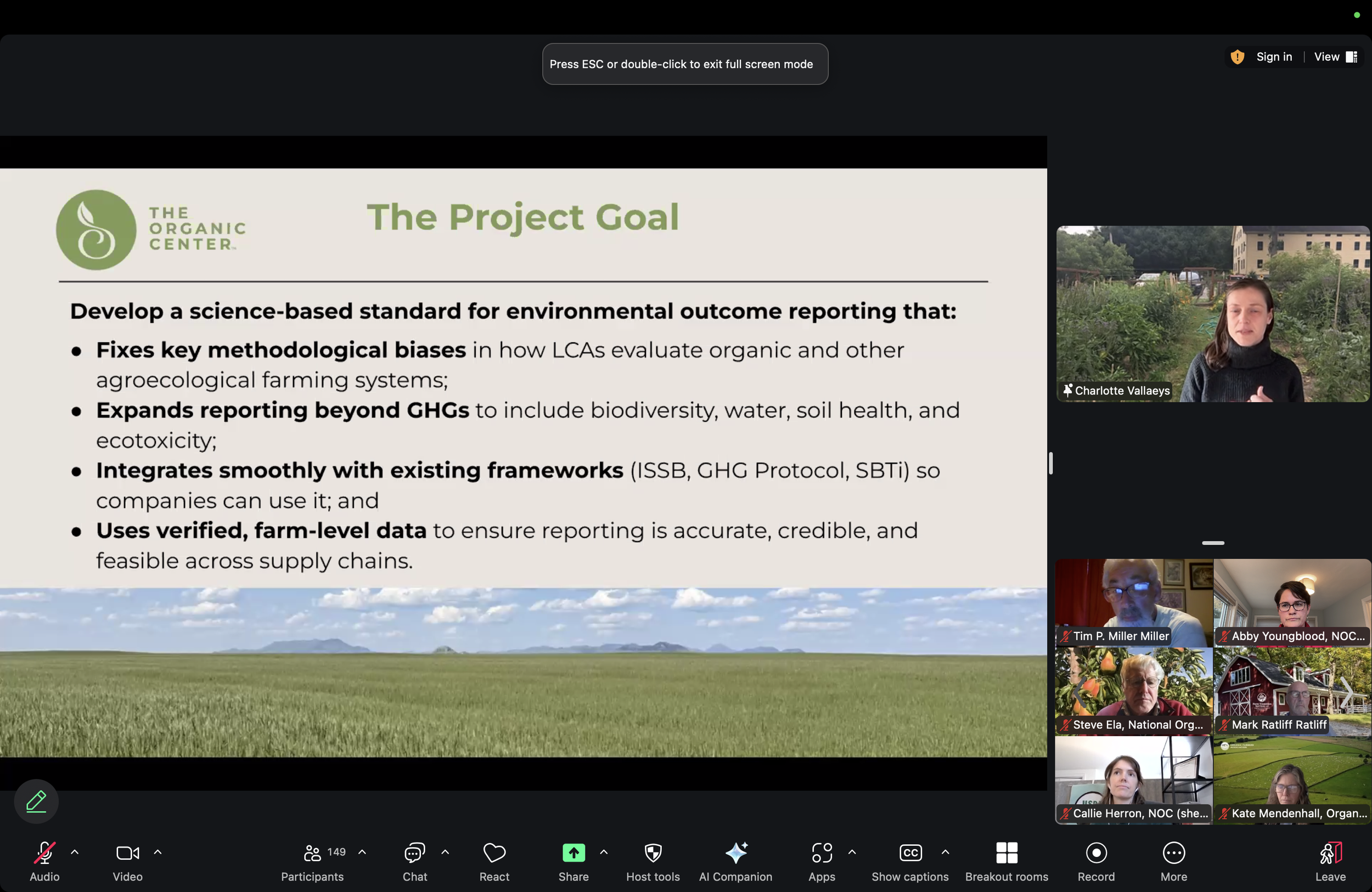
The resource page includes Charlotte Vallaey’s presentation on Strengthening Environmental Impact Measurement & Reporting for Organic. Spoiler alert: Life Cycle Assessment’s are built for conventional farming systems and Charlotte’s part of a multi-year project to update data, models, and partnerships —including tapping Organic System Plan data—to ensure the food industry can accurately report organic’s environmental benefits.