NOC Is Celebrating Organic Month
September is Organic Month! NOC wants to take this opportunity to spotlight how organic farming protects people and the planet.
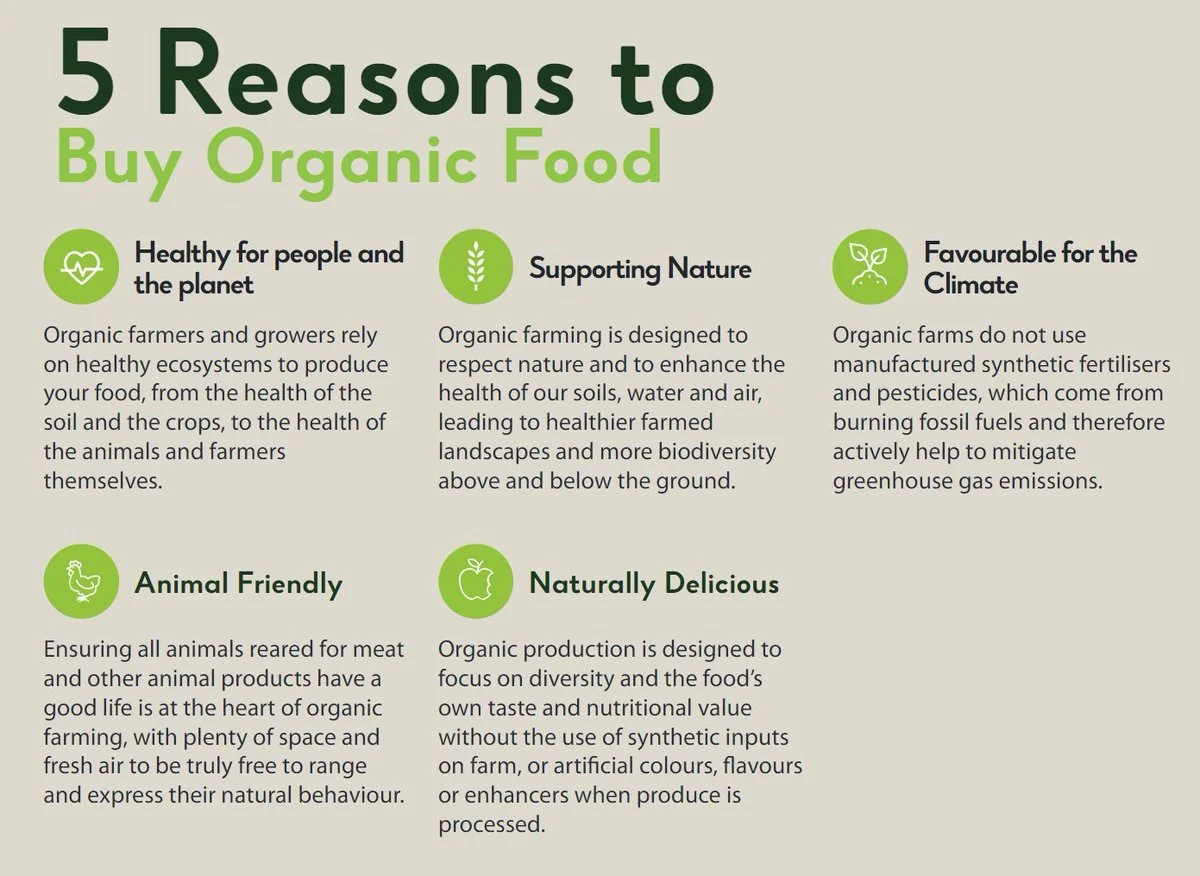
Health: Less Exposure to Toxic Pesticides
The organic seal prohibits more than 900 synthetic pesticides allowed in conventional agriculture. Studies show that even one week on an organic diet can sharply reduce pesticide levels in our bodies. Choosing organic also protects those who are most vulnerable, including farmers, farmworkers, and rural communities, where chronic exposure has been linked to cancers and neurological and respiratory problems.
Trust the Seal: Certified, Inspected, Enforced
Unlike marketing buzzwords, USDA Organic is a regulated standard. In short:
Clear rules set by USDA; farmers must prove their practices meet the standard.
Annual third-party certification and on-site inspections; records track crops from farm to shelf.
Federal oversight and enforcement deter fraud and keep the label honest.
Climate Resilience: Healthy Soils, Lower Risk
Organic practices build living soils that act like carbon sponges. Research shows organic farms store more carbon and are more resilient to droughts and floods.
Biodiversity: More Life on the Land
Organic farms support richer ecosystems—think more bird species, pollinators, and beneficial insects—thanks to required practices like diverse crop rotations, cover crops, hedgerows, and mixed plantings. This biodiversity strengthens natural pest control and long-term productivity.
Grow the Impact
We know organic works. Now we need to scale it up—through smart policy, stronger oversight, and wider market access—so organic can meet today’s health and ecological challenges.
Join Us This Organic Month
Learn: Explore how organic advances health, climate, and biodiversity.
Organic is Regenerative Toolkit: Organic Farming Research Foundation
Organic is Regenerative: Friends of the Earth
Choose: Buy organic when you can and share why it matters.
Support: Help us advocate for policies that expand organic integrity and access.