BREAKING NEWS: USDA Publishes Proposed Rule on Organic Animal Welfare
USDA has now published the Organic Livestock and Poultry Standards (OLPS) proposed rule with a 60-day comment period. Stakeholders will have until October 11, 2022 (60 days from publication in the federal register) to submit comments. USDA is also hosting a virtual listening session on August 19 from 12-2 pm ET. You must register by August 15 to give oral comments.
Finalizing rules to strengthen organic animal welfare standards in the organic certification program is a top priority for the National Organic Coalition (NOC). We have urged the Biden-Harris Administration to take immediate action to finalize organic animal welfare rules to protect the health and well-being of organic livestock, and to ensure consistent implementation of the organic law, which is necessary to guarantee a fair marketplace for organic producers. NOC also participated in a lawsuit led by Center for Food Safety challenging the 2018 withdrawal by the Trump Administration of the previous organic animal welfare rule that was finalized in 2017 (the ‘Organic Livestock and Poultry Practices rule’). As a result of this lawsuit, USDA has reconsidered their previous position: that the agency did not have the authority to institute animal welfare regulations under the organic program.
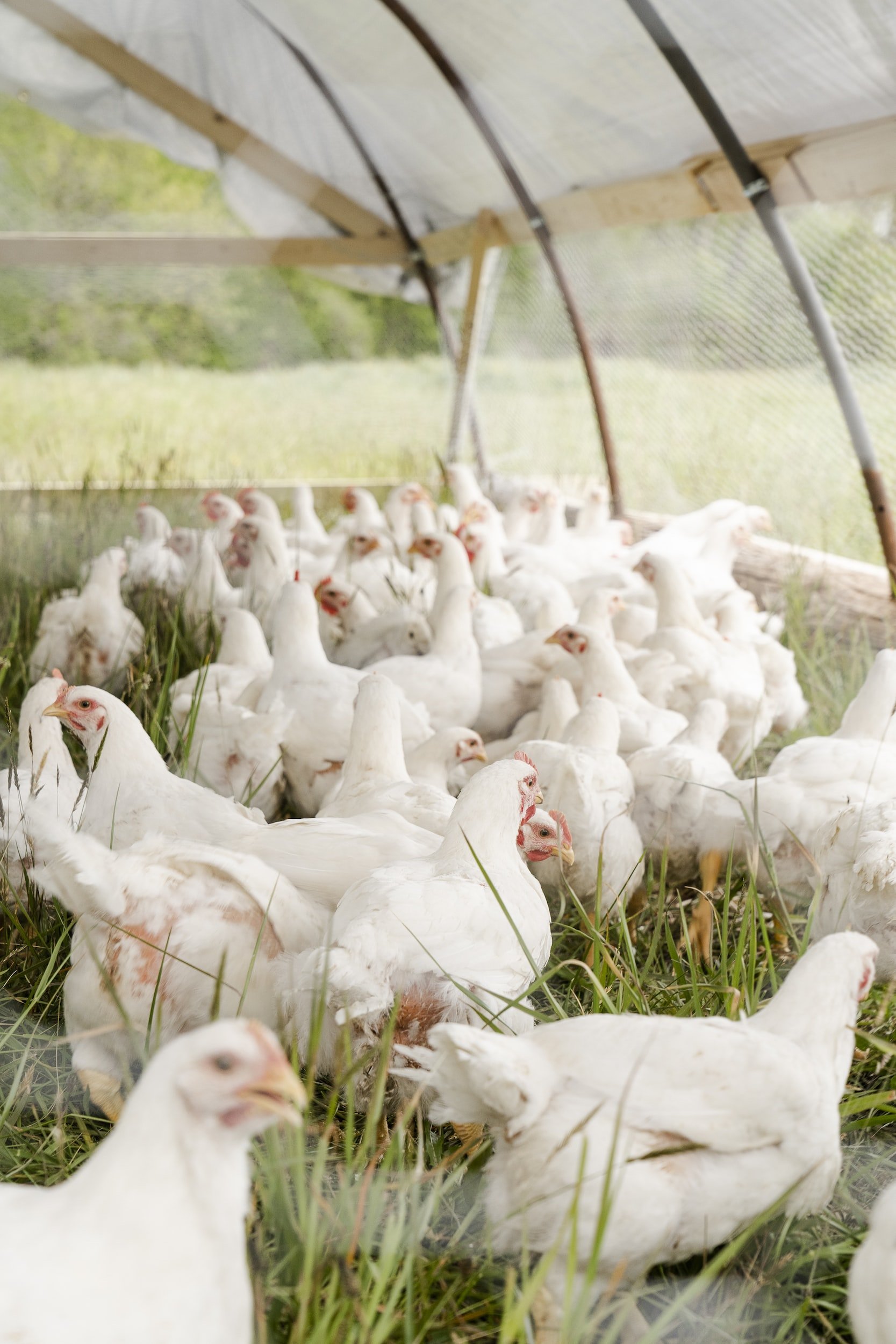
NOC will be conducting an in-depth analysis of the new proposed rule and we will compare it to provisions in the 2017 Organic Livestock and Poultry Practices final rule. We will also be urging Members of Congress to express support for a strong proposed rule that ensures true outdoor access for organic poultry and contains strong provision to protect animal welfare. NOC opposes a long phase-in period for the new rule, and we want provisions that are, at minimum, as strong as the organic animal welfare rule that was finalized in 2017.
Our comments will emphasize that:
Consumers expect organic to include high animal welfare standards. Surveys indicate that providing better living conditions for animals is an important objective for consumers when shopping for food and that consumers expect organic standards to reflect adequate living space and access to the outdoors.
Organic certification is voluntary – producers who certify to organic standards agree to strict requirements to protect the environment, human health, and animal welfare. These strict standards are responsible for the success of organic in the marketplace and consumers’ willingness to pay a premium for organic products.
The lack of consistent requirements and the allowance of porches in poultry operations is hurting the organic label and putting organic producers at an economic disadvantage. Many producers are paying for additional third-party animal welfare certifications to demonstrate that their practices are meeting consumer expectations. The lack of strong and consistent standards in the organic program has resulted in consumer confusion.